I bought my first heat press four years ago because an iron had already cost me a school spirit shirt and most of a Saturday. I had twenty shirts for my grandson's baseball league, a craft iron, and a growing suspicion that I was doing something wrong. Two hours in, the transfers were lifting at the corners and the shirts looked like they had been pressed by someone in a hurry. They had been. The moment I clamped a real press down on the first one, I understood what I had been fighting. It was not the shirt. It was the tool.
Plenty of people start exactly where I did. You want shirts for a team, a church group, a family reunion, and an iron is what you already own. Fair enough. This is not a pitch to spend money you do not have. It is a list of the specific things that changed for me when I moved to a Fancierstudio 15x15 press, in the order I noticed them, and the few things I would still skip if I were starting over in my garage today.
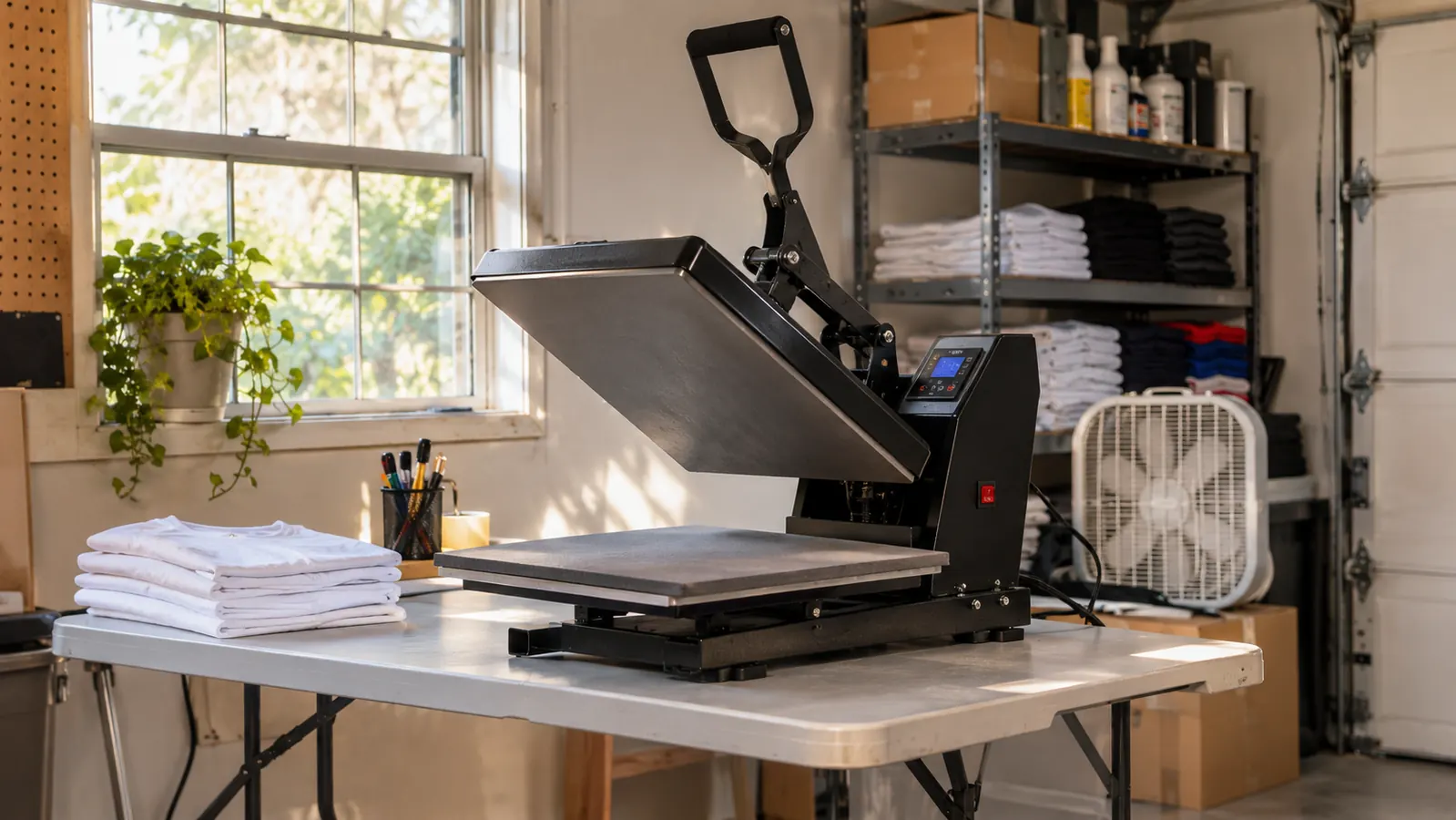
The 15x15 press that replaced my iron is still on my table four years later
Fancierstudio 15x15, 1800 watts at 110 volts, temperature control from 0 to 699 degrees, electronic timer from 0 to 999 seconds, Teflon coated platen. It handles shirts, totes and mouse pads.
Amazon Check Today's Price on Amazon →It presses the whole design at once, edges included
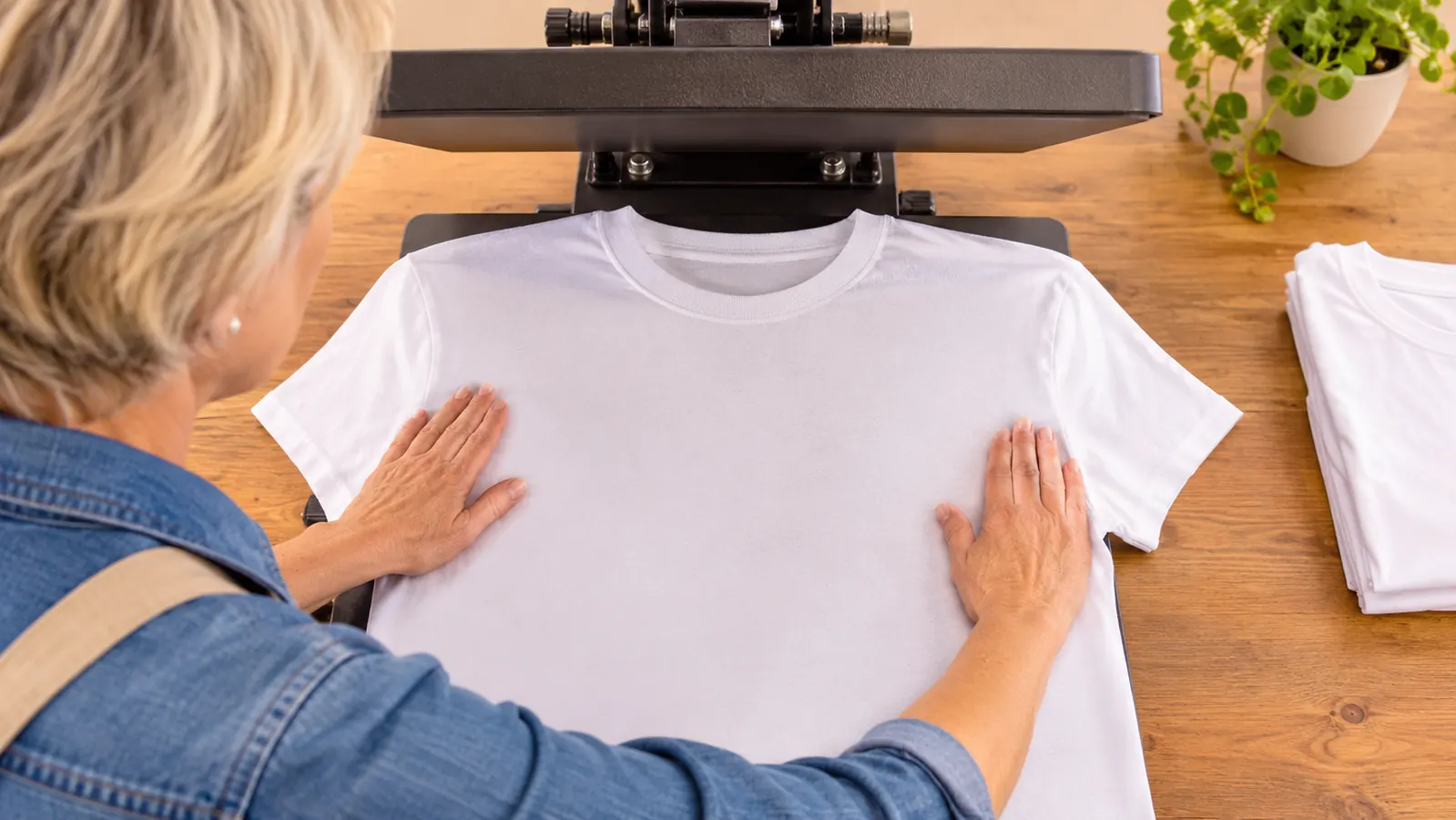
An iron is a curved piece of metal with steam holes punched through it. You work a twelve inch transfer in sections, lifting and setting it back down, and the shirt shows you exactly where you stopped. The 15x15 platen comes down flat across the entire print and stays there. One clamp, one press, one even result from corner to corner. That single difference cleaned up most of my bubbled, crooked transfers, and it did it on the first shirt.
The heat holds steady the second the platen touches fabric
An iron dumps its heat into the shirt on contact and there is no readout to tell you it happened. The Fancierstudio press runs 1800 watts and recovers while it is clamped down, so shirt two starts at roughly the same temperature as shirt one. My early failures had one cause: the temperature was a guess. Once it stopped being a guess, the failures mostly stopped with it.
The timer counts down so you stop counting in your head
The electronic time control runs from 0 to 999 seconds and sits in the same panel as the heat control. I press most heat transfer vinyl at around 305 degrees for 15 seconds and most sublimation blanks near 400 degrees for a full minute. The press holds the time and tells me when it is done. I used to count Mississippi while leaning on an iron, which is not a real method, and my results proved it.
Both hands stay free while it does the work
You do not put body weight into it. Clamp the press, step back, and use those thirty seconds to fold the shirt you just finished or trim the next transfer. That sounds like a small thing until you have ninety shirts to get through. It is the difference between a sore shoulder at ten at night and a normal evening at the folding table.
A full adult front print fits in one pass
A standard adult front print runs ten to twelve inches across. The Fancierstudio 15x15 platen covers it with room to spare, along with most tote bags and mouse pads, which the listing names as intended uses. With an iron you spend the whole time tucking fabric around a hot soleplate and hoping nothing shifts. Here the blank sits flat on the lower pad and stays flat while you work.
Twenty four team shirts used to take me two nights with an iron. Now it is one evening, and shirt twenty four looks like shirt one.
It does sublimation, and an iron simply cannot
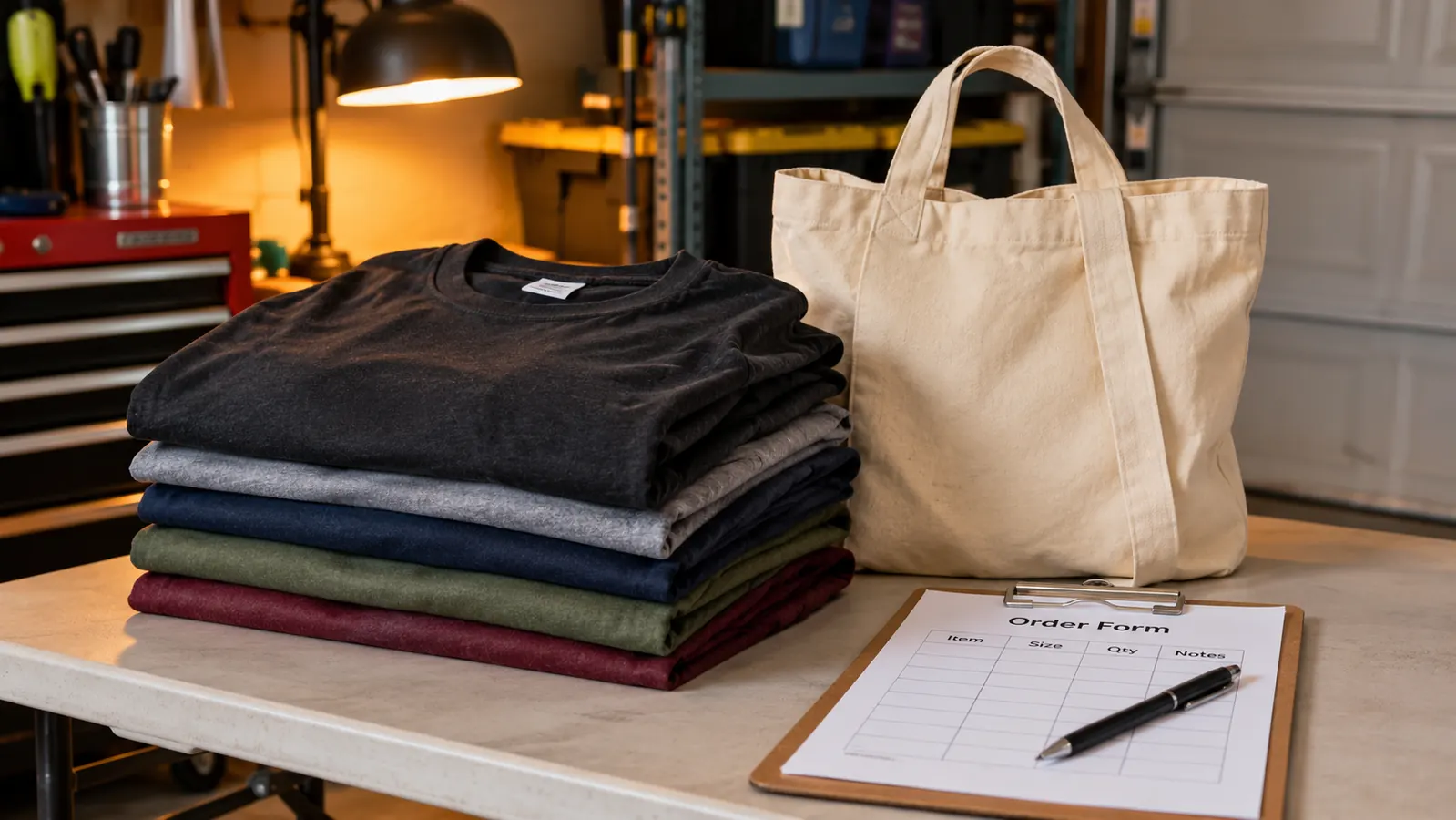
Sublimation needs sustained, even heat and firm pressure held for a full minute without moving. An iron cannot hold that, not for sixty seconds, not on a curve. The press can. That opens up polyester shirts, totes, mouse pads and mug wraps that a household iron will never do properly. This is the point where I stopped thinking of the press as a better iron and started thinking of it as a different job.
Rhinestones and thick transfers get real pressure
Rhinestone templates and thick plastisol transfers need a squeeze you can only get from a clamp. Leaning on an iron gives you a fraction of it, unevenly, and the middle of the design always gets less than the edges. The press delivers the same firm pressure every single time, which is what makes stones settle into the adhesive instead of popping off in the wash two weeks later.
The platen has a Teflon coating, so cover sheets last longer
Fancierstudio coats the heat platen in Teflon. I stopped burning through cover sheets every few weeks and stopped scorching the occasional shirt when I got careless with a press cloth. It wipes clean with a damp rag once it cools. Small thing, but it is one less consumable to keep buying and one less way to ruin a blank you already paid for.
It fits on a folding table in a one car garage
The footprint is 33 inches long, 23 inches wide and 20 inches high, so this Fancierstudio press lives on one end of my long folding table with blanks stacked at the other end. I do not have a shop or a storefront. I have a converted garage with a box fan and a shelf, and the press fits the space I actually have rather than the space I wish I had.
Batch orders stop eating the whole evening
Press, stack, press, stack, with Gary folding and bagging behind me on the busy weekends. What used to take two nights now takes one, and the last shirt comes out the same as the first. That consistency is the reason people come back with next season's order, and repeat customers are the whole business when you sell through a local Facebook group and word of mouth.
What I'd Skip
If I were starting over, the thing I would skip is the nine inch craft press. It looks like a bargain and it will not take an adult front print without two passes, which is the exact problem you were trying to escape. I would also skip the idea that you need a cutting machine before you need a press. The press is the tool that makes the shirt. A cutter is a convenience that comes later, once you know what you are actually selling.
The one limitation I will not sugarcoat is the warranty. Fancierstudio lists three months, which is short, and it is why I keep the press on a stable table, unplug it when it is not in use, and never force the handle past where it wants to go. Four years in, mine still works. But I would not pretend a three month warranty is generous, and I would not buy this expecting a service plan or a repair hotline.
Start with the shirt count you actually have, not the one you hope for
The Fancierstudio 15x15 does shirts, totes, mouse pads and rhinestone work, with a 15x15 sheet included and electronic time and heat control. It is the tool I would buy again if mine died tomorrow.
Amazon Check Today's Price on Amazon →