
The first team shirt I pressed was for my grandson's baseball league, and the print came out looking like it had been left on a dashboard for a summer. I blamed the press. I blamed the ink. I blamed the blank shirt. It took three more ruined shirts before I figured out that the paper was doing most of the damage, and the paper was the one thing I had not thought about at all.
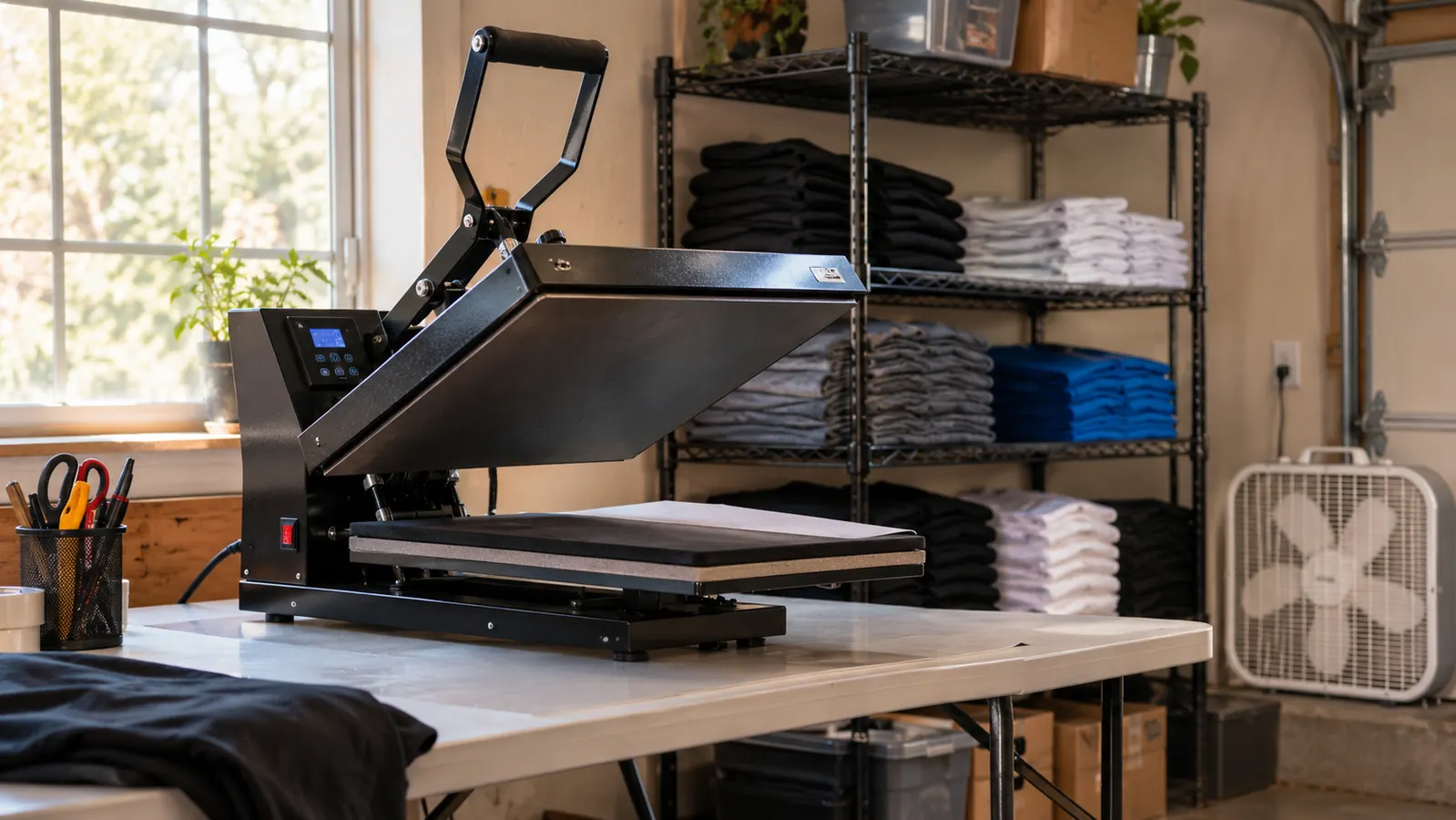
I press out of a converted one-car garage in Independence, Missouri, on a long folding table with a shelf of blanks behind me and a box fan that runs from May to September. Nothing fancy. What I have learned in four years is that paper is the easiest variable to change and the one that moves the print the most. The paper I settled on is A-SUB Sublimation Paper, 8.5 by 11, 110 sheets of 125g stock, and here are ten reasons it earned that spot.
The paper that stopped my muddy blacks
A-SUB Sublimation Paper, 8.5x11 inches, 110 sheets of 125g coated stock. It runs on sublimation ink only, prints on white or light polyester and blends up to 30% cotton, and covers ceramic, tile, phone cases and metal.
Amazon Check Today's Price on Amazon →Coated stock keeps fine letters from turning to mush
The A-SUB sheet has a coated finish, and that coating is the whole reason ink stays where you aimed it. On an uncoated sheet the ink wicks outward, so small lettering picks up fuzzy edges and thin lines fill in. I press a lot of team names and jersey numbers, and the number 1 is always the first thing to go. On a coated sheet it stays a 1. If your prints look like they need glasses, change the paper before you start messing with temperature.
125g lays flat under a hot platen instead of curling
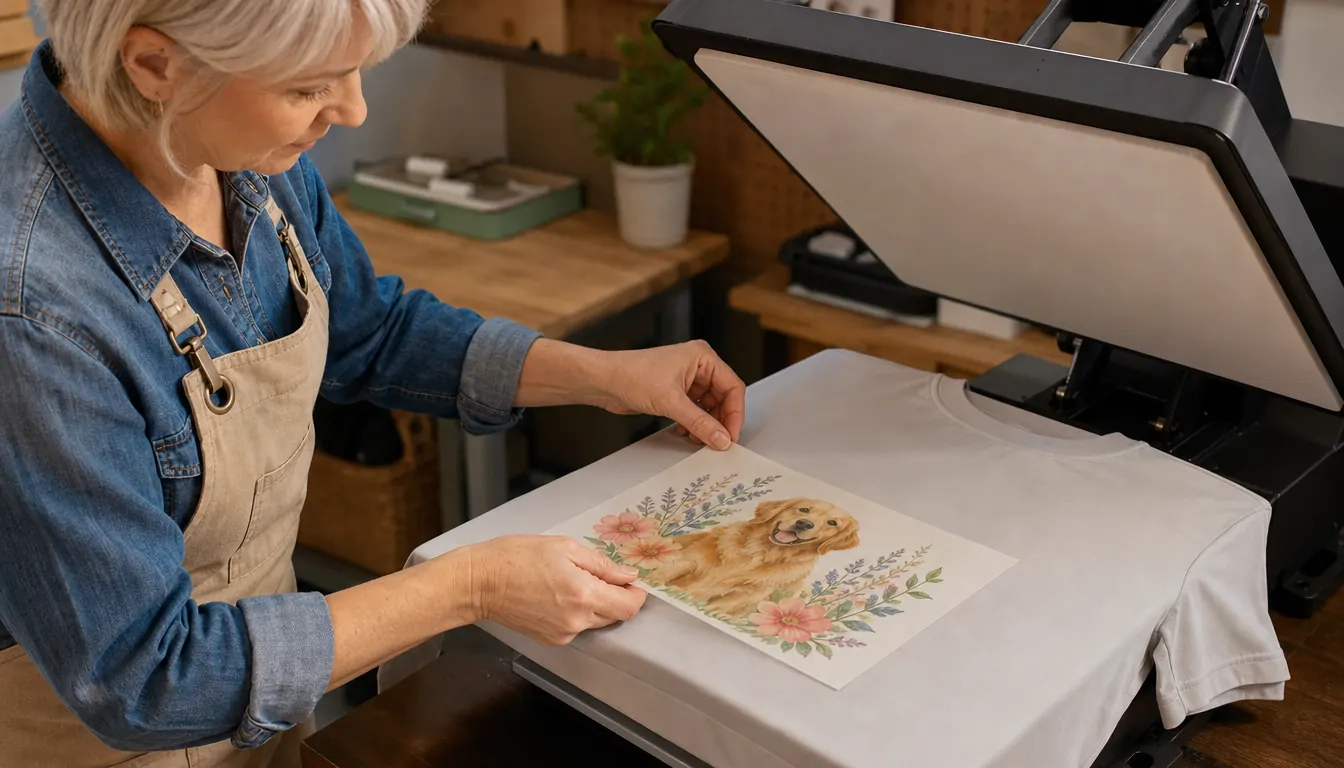
This paper is 125g, and weight matters more than most beginners expect. A thin sheet curls the second the platen comes down, and a curled sheet shifts. A shifted sheet gives you a double image or a soft shadow down one edge. Heavier paper sits flat under heat, so the print lands where you placed it. I still tape my corners out of habit, but I stopped fighting the paper.
110 sheets lets you practice on purpose instead of rationing
One pack is 110 sheets of 8.5 by 11. That sounds like a lot until you set up a blank type you have never pressed before. Every new blank eats three or four test prints while you dial in time and pressure, and those tests are not waste. They are the reason the fifth shirt is right. A pack this size means you make those mistakes deliberately instead of hoarding sheets and hoping the first one works.
Standard letter size covers a full front print and trims down
Letter size covers a full front print on an adult shirt with room to spare. On youth sizes I trim the sheet down, and the offcut still covers a left chest logo. I cut down sheets for tote bags and small ceramic pieces too. Standard size means I am not hunting for a specialty paper every time somebody asks for something small.
A high transfer rate is what makes blacks read as black
The listing calls it a high transfer rate, and what that means in the garage is that more of the ink actually crosses onto the blank. On light polyester the difference shows up in the darks. Blacks come out black instead of charcoal gray, and a navy logo stops looking washed out. That is the whole ballgame when a customer hands you a design with a deep background.
It handles polyester and cotton blends up to 30% cotton
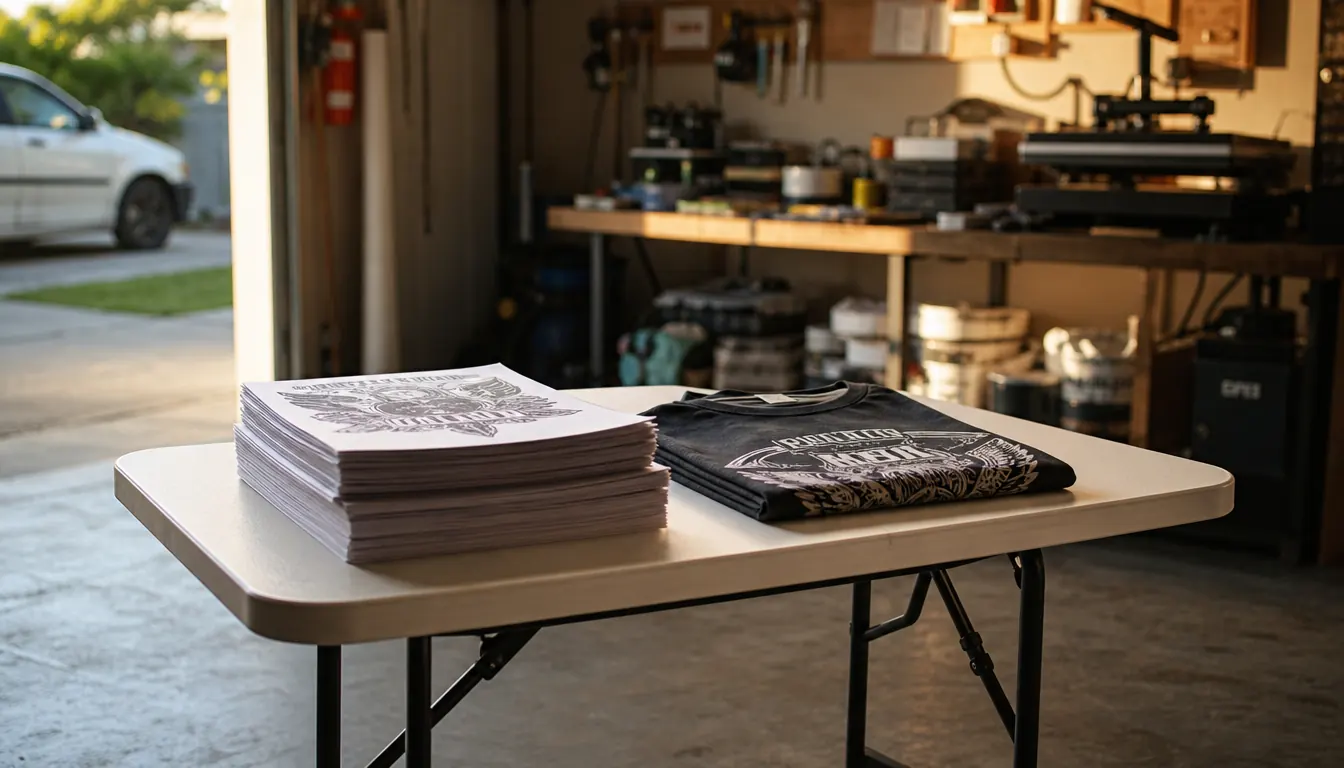
A-SUB works on white or light colored polyester and on blends with 30% cotton or less. Most of what I press falls in that range: team shirts, church group tees, a few performance polos. What it will not do is save an all-cotton shirt. If your group already bought 100% cotton tees, no paper fixes that, and you need to have that conversation before you take the order, not after.
The number 1 on a jersey is the first thing to go when the paper is wrong. That is how I learned to look at paper before I look at temperature.
One sheet covers your blanks beyond shirts
Shirts are not the only thing I press. This paper is listed for ceramic, tile, phone cases and metal, so one pack covers the whole table. A phone case order, a batch of ceramic tiles for a school auction, a metal piece for a family reunion gift. One paper, one set of press settings, fewer variables to chase at ten at night.
Consistent sheets mean your settings stay valid week to week
Paper that changes between batches forces you to re-test every setting you own. I have spent whole evenings chasing a temperature that worked fine two weeks ago. Sticking with one paper removed that variable entirely. My press runs the same time and temperature for polyester shirts week after week, and the prints come out the same week after week. Boring is good.
Fewer bad sheets means fewer good blanks in the trash
A failed print does not cost you a sheet. It costs you the shirt, the tote, the time, and the drive back to the store when you are out of blanks. That is the real reason paper is the wrong place to trim your supply list. One bad sheet can take a good blank down with it, and the blank was the part you were counting on.
Sublimation ink only, so you never mix up your printers
This paper is made for sublimation ink only. Regular ink will not transfer, no matter how long you hold the press down. I like that the paper forces the issue. I keep one dedicated sublimation printer and I never have to wonder which machine has which ink in it. A pack that only works with the right ink keeps you from burning an afternoon on a print that was never going to transfer.
What I'd Skip
I would skip the multipack of five odd paper sizes. Buy the 8.5 by 11 pack and trim it down, because the trim takes ten seconds and the extra sizes take up shelf space you do not have. I would skip chasing 100% cotton blanks for sublimation, since they will never take the ink no matter how good the paper is. And I would skip swapping papers to save a little on practice runs, because every paper change sends you back to re-testing your settings. Pick one paper, learn it, and spend your attention on the blanks instead.
One paper, one set of settings, fewer ruined blanks
If you are still guessing why your prints come out gray, swap the paper first. 110 sheets of 125g coated A-SUB stock is enough to learn on, and the pack covers polyester, blends up to 30% cotton, ceramic, tile, phone cases and metal.
Amazon See the A-SUB pack on Amazon →