The first thing that goes wrong in a new heat press setup is almost never the press. It is the paper. I know because I ruined eleven blanks in one weekend and my press was working perfectly the entire time. I had grabbed a cheap ream at a craft store because it was the only one on the shelf, then spent three weeks blaming my temperature, my timer, my blanks and my own two hands. The blanks were innocent. My hands were innocent. The paper was not.
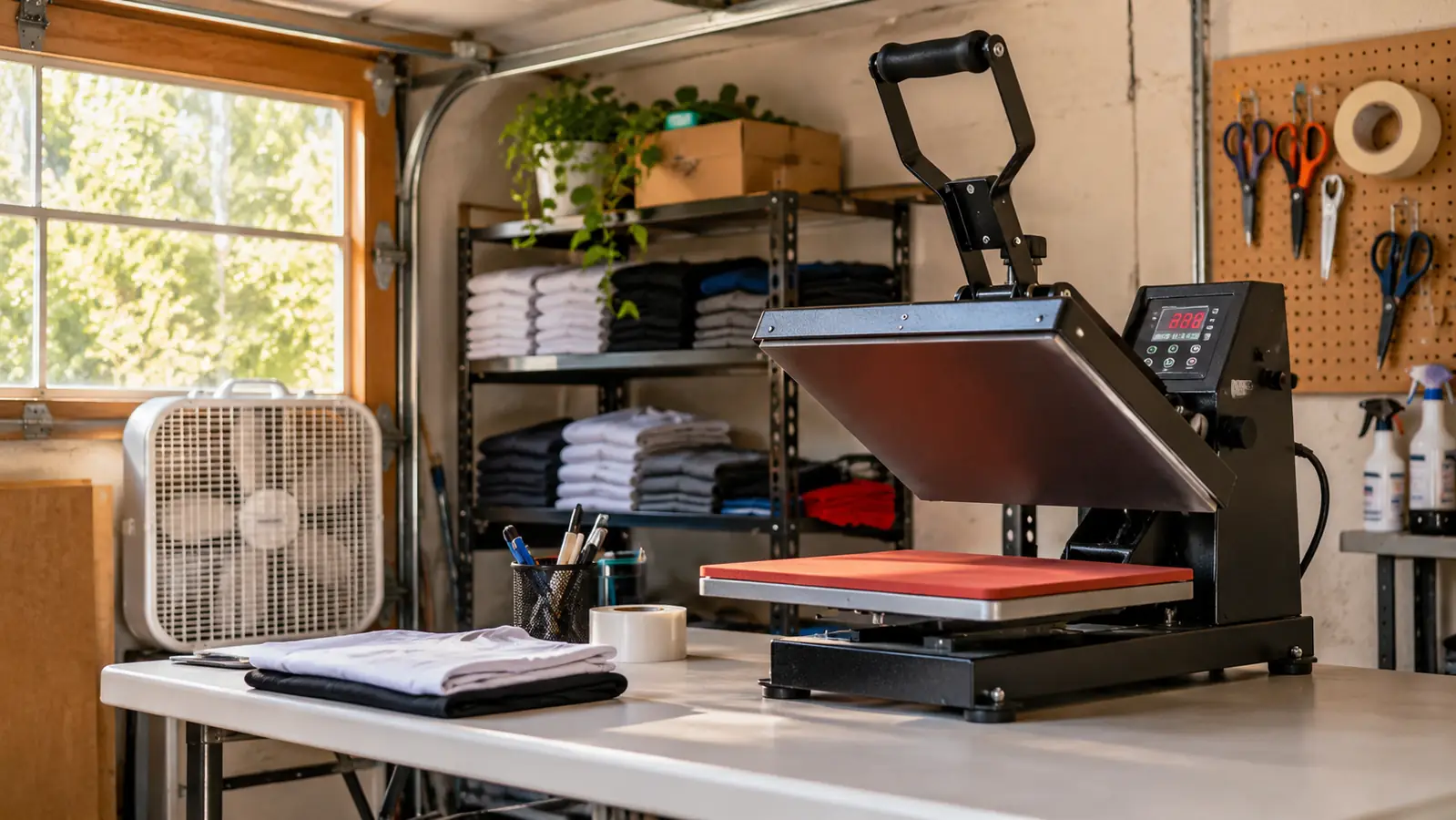
I press out of the converted one-car garage behind our house in Independence, Missouri. One folding table for the press, a shelf of blanks, a box fan that runs from May through September. It still holds the lawn mower in the corner. I started about four years ago making team shirts for my grandson's baseball league, and now it is mostly school teams, church groups and family reunions that find me through a local Facebook group. My husband Gary folds and bags on busy weekends. That is the whole operation.
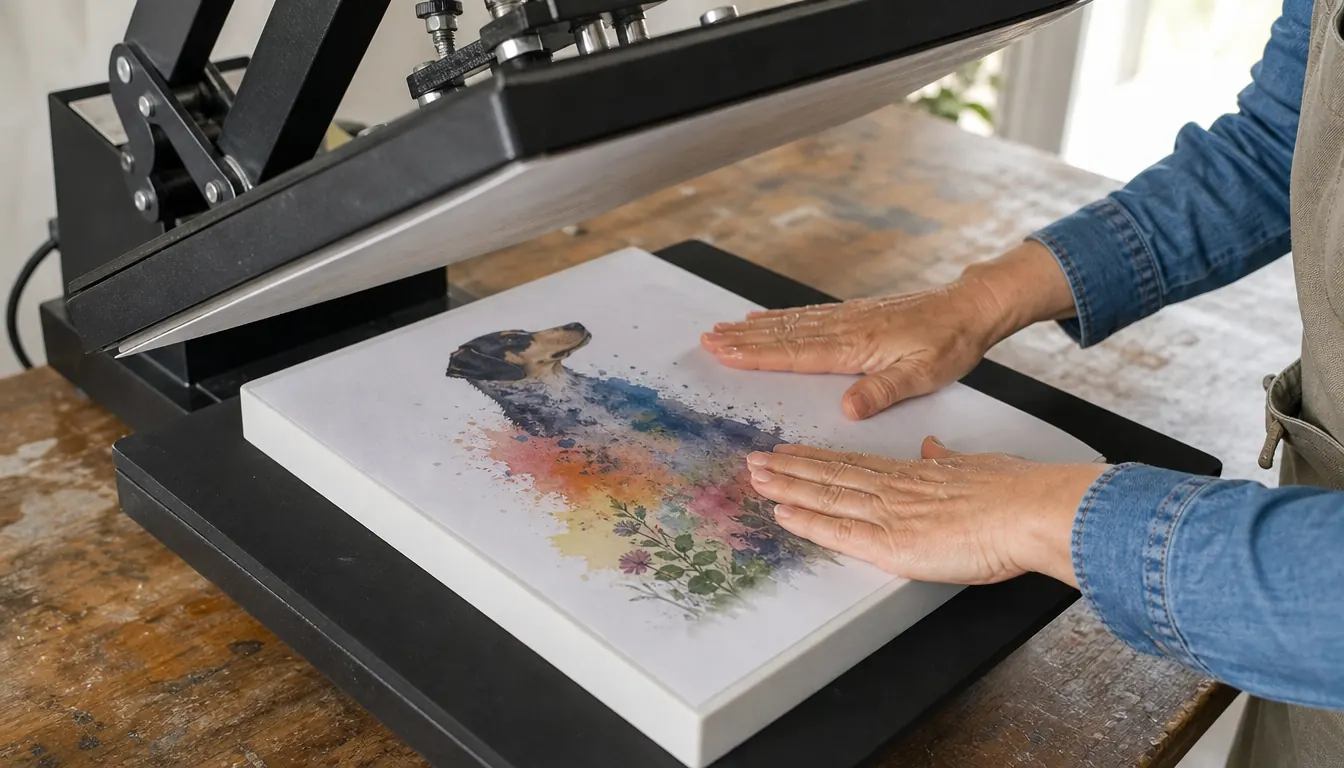
The ream that finally stopped the bleeding was A-SUB Sublimation Paper, 8.5 by 11 inches, 110 sheets to the pack, coated paper listed at 125 g. I want to be clear about why it worked for me, and it is not brand loyalty. It behaves the same way on sheet ninety as it did on sheet one. Cheap paper does not. The coating varies across a bargain ream, so your transfer quality drifts halfway through an order and you do not find out until a shirt is already pressed and peeled.
Here is what that looks like in practice. A team order of twenty-four shirts runs through one pack with sheets left over for test prints, and I do test print. Every new design gets one practice press on a scrap blank before it touches a paid order, because a sheet of paper is cheaper than a shirt. The sheet peels away clean and the image stays where it landed instead of stretching or ghosting near the edge. On the cheap paper I was peeling slowly and praying, and about one in eight came off with a pale patch in the corner.
This paper is made for sublimation ink only. Regular ink will not work in it, and that is not a suggestion. It is also particular about what it will transfer onto: white or light colored polyester, blends with thirty percent cotton or less, ceramic, tile, phone cases and metal. If you want to press a dark shirt, this is the wrong process, not the wrong paper. That took me two wasted hoodies to accept.
A sheet of paper is cheaper than a shirt. That one sentence would have saved me eleven blanks my first month.
The Ream That Stopped the Wasted Blanks
8.5 by 11 inches, 110 sheets to the pack, built for sublimation ink and light colored polyester, ceramic, tile and metal. The paper I wish I had bought before my first team order.
Amazon See the A-SUB Paper on Amazon →Mugs came next, then tiles, then a run of phone cases for a church youth group. The paper handles all of it because what changes is the surface, not the sheet. What changed for me was the discipline of writing things down. I keep a spiral notebook on the shelf with the press temperature, the time, the pressure and the exact blank, for every job I run more than once. When a repeat customer orders the same design six months later, I am not guessing.
The other thing I would tell anyone starting out: buy good paper before you buy a second press. The A-SUB listing carries more than 54,000 ratings at 4.8, which is a lot of people who already did the trial and error I did the slow way. One pack of 110 sheets gets you through a stack of samples, your first real order and the mistakes in between.
It is not perfect. The sheets are thin enough that a bad feed will wrinkle one, and a wrinkled sheet prints a wrinkled image, so I flatten anything that looks curled under the blank shelf and check it before it goes in the tray. It also will not rescue a press with uneven pressure or a design printed too light. Paper fixes paper problems. It does not fix everything.
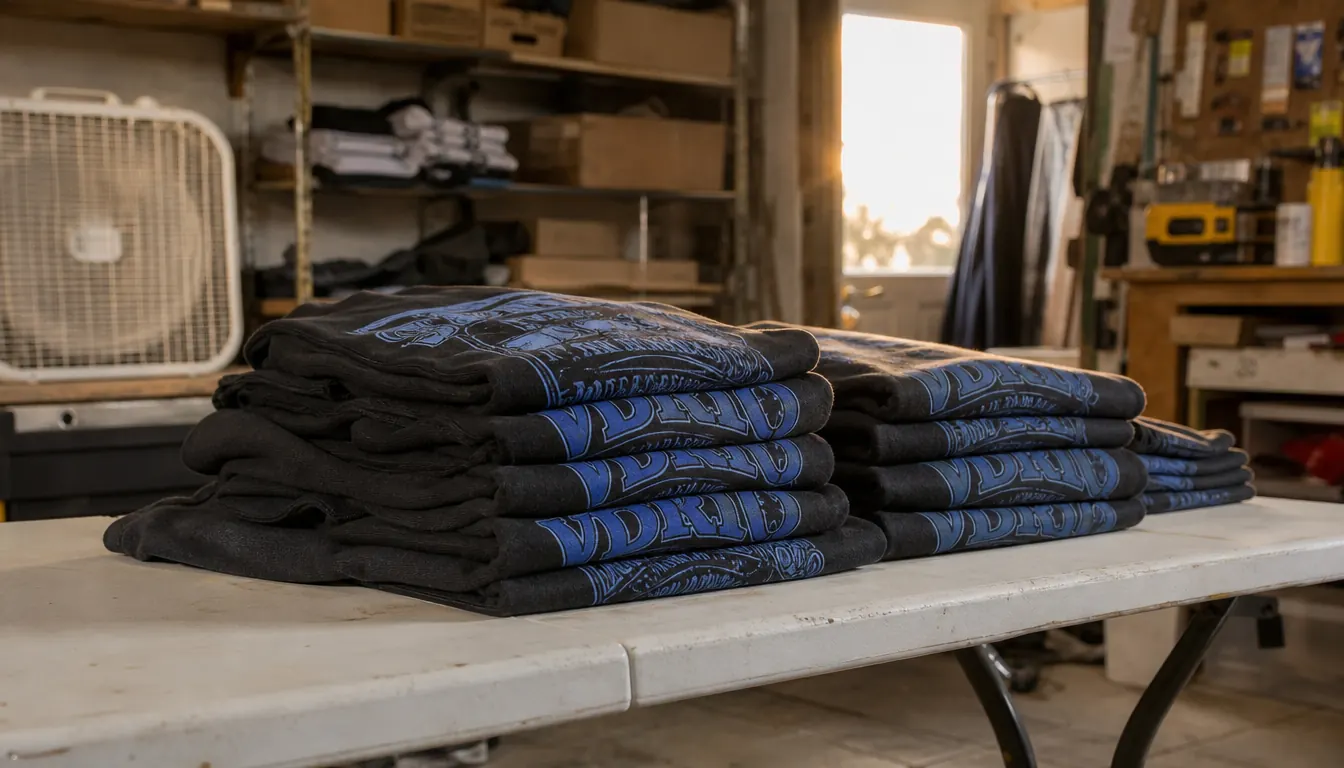
Gary's part is the piece nobody writes about. He folds, bags and labels while I press, and on a Saturday with forty shirts stacked on the table that is the difference between finishing at six and finishing at nine. Word of mouth does the rest. I have never paid for an ad. A church group tells another church group, and the phone starts ringing in January when everybody is planning summer events.
What I'd Tell You If We Were Sitting at My Kitchen Table
If you were across from me with a new press still in the box on the floor, I would say three things. Buy good paper first, because the paper is the variable you can actually control and the one beginners blame last. Press one test piece for every new blank before you take a single order for it, and write down the temperature and time you used while it is still in front of you. And do not buy the A-SUB pack expecting it to turn a hobby into income. It will not. What it will do is stop you wasting blanks, and wasted blanks are the most expensive part of learning this.
I still keep the notebook. I still test print. Four years in, the garage smells like the press, the fan is running, and there is a stack of shirts on the table waiting for Gary. The paper was the first thing I got right, and everything after it got easier because of it.
Start With the Part You Can Control
110 sheets of 8.5 by 11 sublimation paper, coated for an even transfer from the first sheet to the last. Buy it before the blanks, not after.
Amazon Check Today's Price on Amazon →